

- Home
- What is Freight Forwarding? A Complete Guide for Importers and Exporters.
What is Freight Forwarding? A Complete Guide for Importers and Exporters.
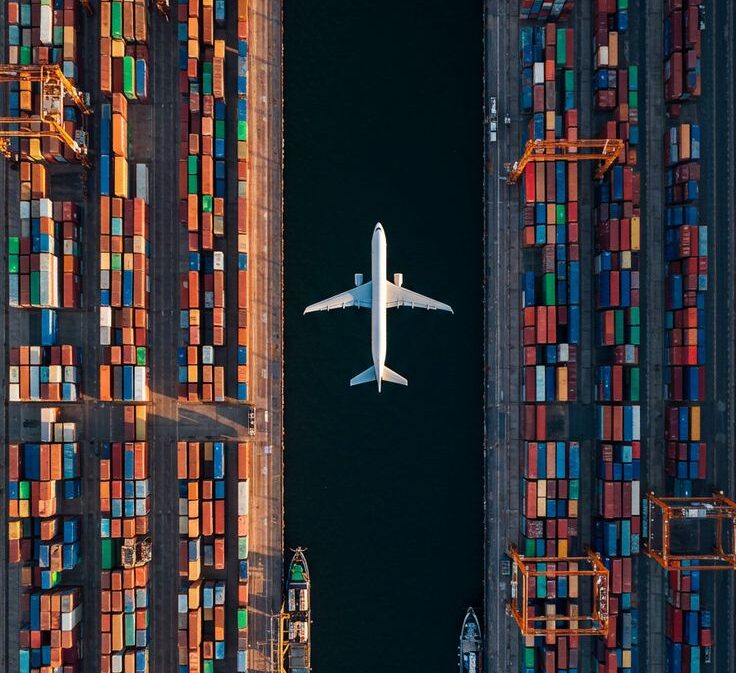
Moving Cargo Across Borders Starts with the Right Logistics Partner
International trade has never been more accessible. Today, businesses of every size can source products from one continent and sell them in another. Yet, behind every successful international shipment is a carefully coordinated logistics process involving transportation providers, customs authorities, shipping lines, airlines, warehouses, documentation, and regulatory compliance.
For many businesses, managing these moving parts can quickly become complex. A delayed customs declaration, an incorrect shipping document, or a poorly planned transport route can result in unexpected costs, shipment delays, and disruptions to the supply chain.
This is where freight forwarding becomes essential.
A freight forwarder acts as the coordinator of international cargo movement, ensuring that goods travel efficiently from their point of origin to their final destination. Rather than simply arranging transportation, a professional freight forwarder manages the entire logistics journey—planning routes, coordinating carriers, preparing documentation, facilitating customs procedures, and monitoring shipments every step of the way.
Whether you are importing machinery, exporting handmade products, shipping humanitarian aid, or moving commercial cargo, working with an experienced freight forwarder allows you to focus on your business while logistics professionals handle the complexities of international transportation.
In this guide, we’ll explore what freight forwarding is, how it works, the services freight forwarders provide, and why choosing the right logistics partner can make a significant difference to your business.
What is Freight Forwarding?
Freight forwarding is the process of organizing and managing the transportation of goods from one location to another through a coordinated network of carriers, transport providers, customs authorities, and logistics partners.
A freight forwarder is a company that plans, coordinates, and oversees this process on behalf of importers and exporters. While freight forwarders usually do not operate the ships, aircraft, or trucks carrying the cargo, they bring together every element required to move goods safely, efficiently, and in compliance with international trade regulations.
Think of a freight forwarder as the project manager of your shipment.
Instead of dealing separately with shipping lines, airlines, trucking companies, customs officials, insurance providers, warehouses, and documentation requirements, businesses work with one logistics partner that coordinates the entire process from start to finish.
This coordination becomes increasingly valuable as supply chains grow more complex. A single shipment may involve road transport to an inland container depot, customs clearance, rail movement to a seaport, ocean transportation across multiple countries, transshipment through another port, and final delivery by truck. Each stage must be carefully synchronized to avoid delays and unnecessary costs.
Professional freight forwarding ensures these individual steps work together as one seamless logistics solution.

Freight Forwarding vs. Transportation: Understanding the Difference
One of the most common misconceptions is that freight forwarding simply means transporting cargo.
In reality, transportation is only one component of freight forwarding.
A shipping line transports containers by sea. An airline transports cargo by air. A trucking company moves goods by road.
A freight forwarder, however, manages the complete logistics process surrounding these transportation services.
This includes selecting the most suitable transport mode, coordinating multiple carriers, preparing shipping documentation, arranging customs procedures, monitoring shipment progress, managing schedules, and resolving unexpected challenges along the way.
For example, a shipment from Kathmandu to Hamburg may involve:
- Collection from the supplier’s warehouse in Kathmandu.
- Inland transportation to Birgunj Inland Container Depot (ICD).
- Rail movement to Kolkata Port.
- Ocean freight to Hamburg.
- Customs procedures at both origin and destination.
- Final delivery to the consignee.
Although several transport providers may participate in moving the cargo, the freight forwarder coordinates the entire operation as one integrated logistics solution.
For the customer, this means greater visibility, fewer administrative burdens, and a single point of contact throughout the shipment.
Why Freight Forwarding Matters in Modern International Trade
Global trade depends on efficient logistics
Manufacturers require raw materials delivered on time. Retailers depend on reliable inventory replenishment. Development organizations need humanitarian supplies to reach project locations without unnecessary delays. Exporters must meet delivery schedules to maintain customer confidence and contractual commitments.
As international trade continues to expand, logistics has evolved far beyond simply moving goods from one place to another.
Today’s supply chains involve:
- Multiple transportation modes.
- Cross-border regulatory requirements.
- Customs compliance.
- Cargo security procedures.
- International documentation standards.
- Real-time shipment visibility.
- Risk management and contingency planning.
Managing these requirements internally requires specialized expertise and significant resources.
Freight forwarders provide that expertise by helping businesses navigate complex logistics environments while improving efficiency, reducing operational risks, and allowing organizations to focus on their core business activities.
Rather than reacting to problems after they occur, experienced freight forwarders anticipate potential challenges during the planning stage and develop logistics solutions that minimize disruptions before cargo even begins its journey.

Why Freight Forwarding is Especially Important for Nepal
For Nepal, freight forwarding plays an even more significant role.
As a landlocked country, Nepal does not have direct access to seaports. International cargo must travel through neighboring countries before reaching global shipping networks. This makes logistics planning more complex than in many coastal nations.
A typical international shipment to or from Nepal often involves several interconnected stages, including inland transportation, border crossings, customs procedures, rail connections, port operations, and international sea or air freight.
Successfully coordinating these movements requires detailed knowledge of transit procedures, customs regulations, documentation requirements, and multimodal transportation networks.
Delays at any stage can affect the entire supply chain, increasing transportation costs and extending delivery times.
This is why businesses trading with Nepal benefit from working with logistics partners who understand both international freight forwarding and Nepal’s unique trade environment.
At Highland Air & Ocean Logistics, this understanding has been developed through decades of experience coordinating international shipments across air, ocean, and multimodal transport networks, connecting Nepalese businesses with markets around the world.